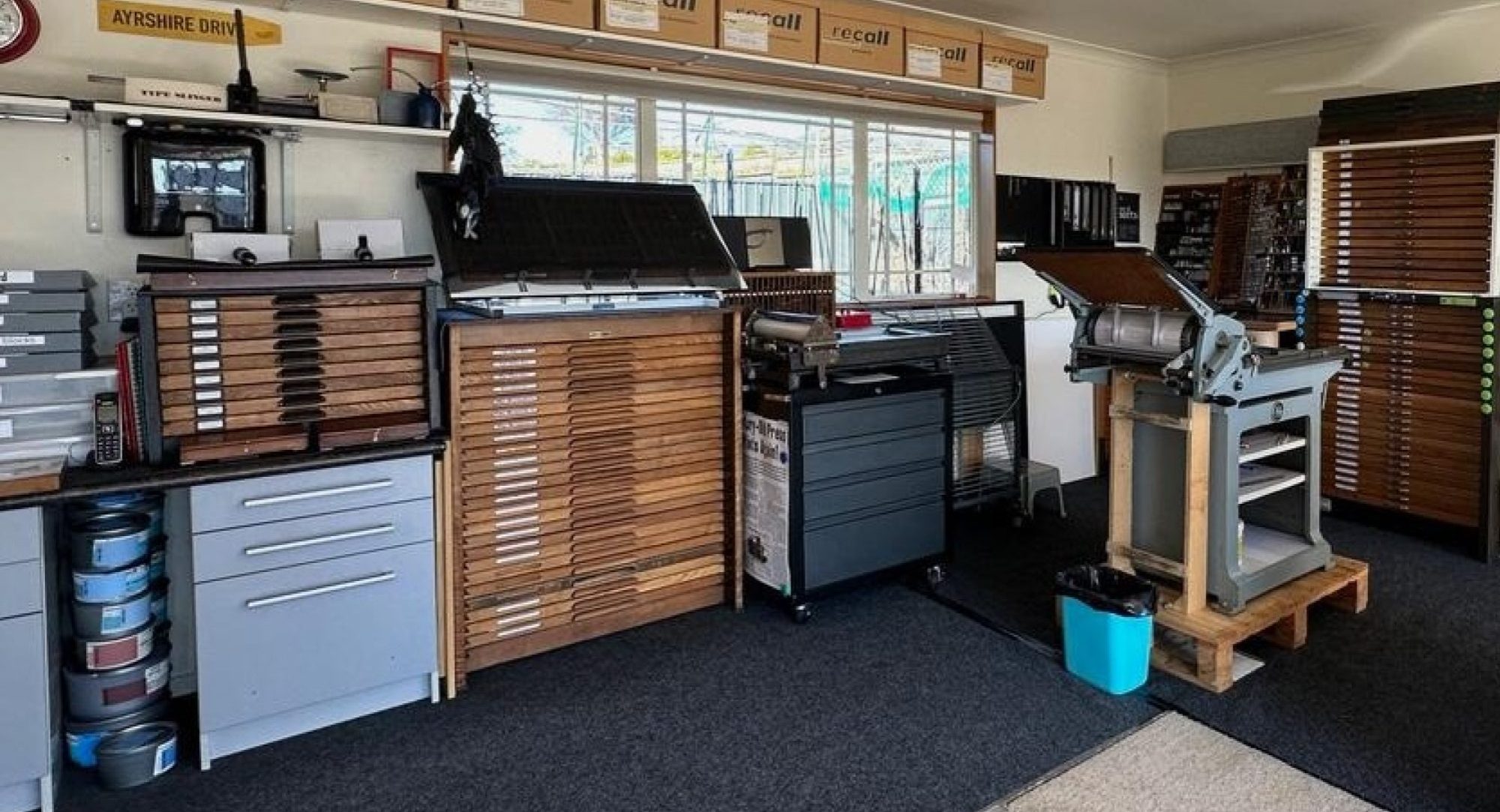

One of the quiet joys of bookbinding repair is the privilege of seeing the “inside” of a book—its structure, its wear, and sometimes, its secrets. I recently helped a bookbinding friend with the sewing portion of a restoration project, a task I always relish. It’s meditative work, and it offers a rare intimacy with the book’s anatomy.
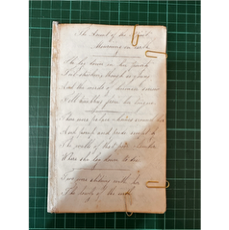
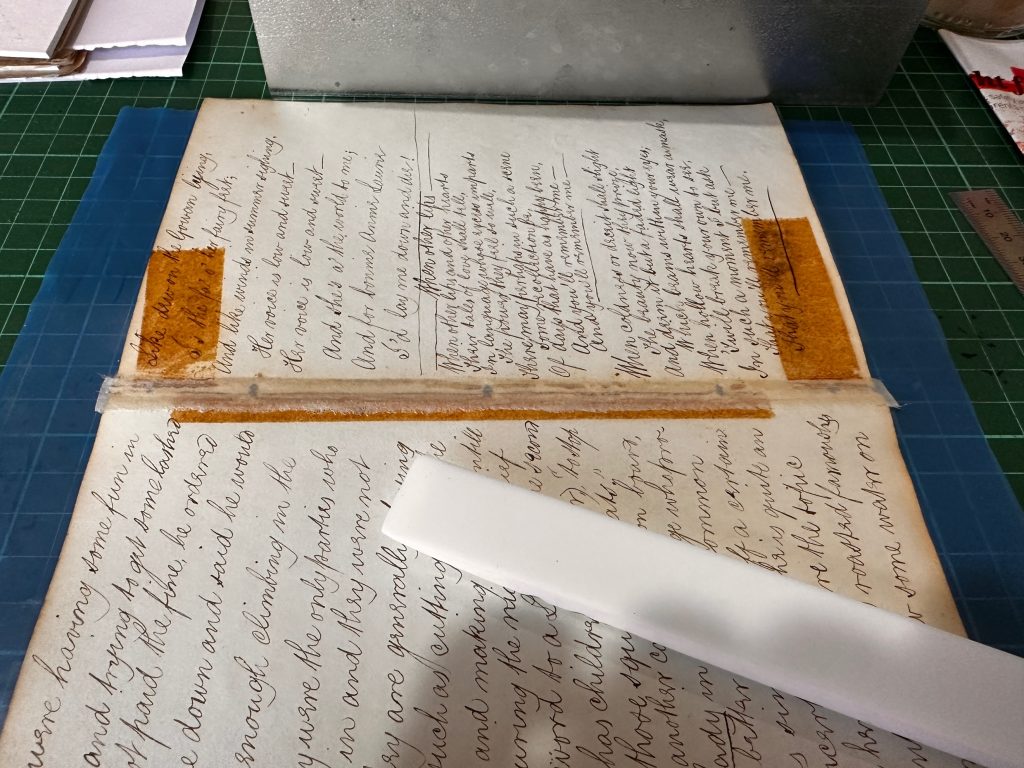
This particular volume was a leather-covered journal, originally sold as a blank book. Over time, it had become a vessel for memory. Someone—or perhaps several people—had filled its pages with fountain pen entries in a graceful, looping script. Among the writings was a vivid account of a sea voyage from London to New Zealand, dated 1855–1856. The author’s reflections, penned with care, turned the journal into a historical artifact, rich with personal narrative and maritime detail.
But the years had not been kind. The spine had broken down through use, and various well-meaning repairs had been made to keep the book block intact and the boards attached. Some pages were held in place with yellowing sticky tape, a common but unfortunate fix that had begun to stain and stiffen the paper.
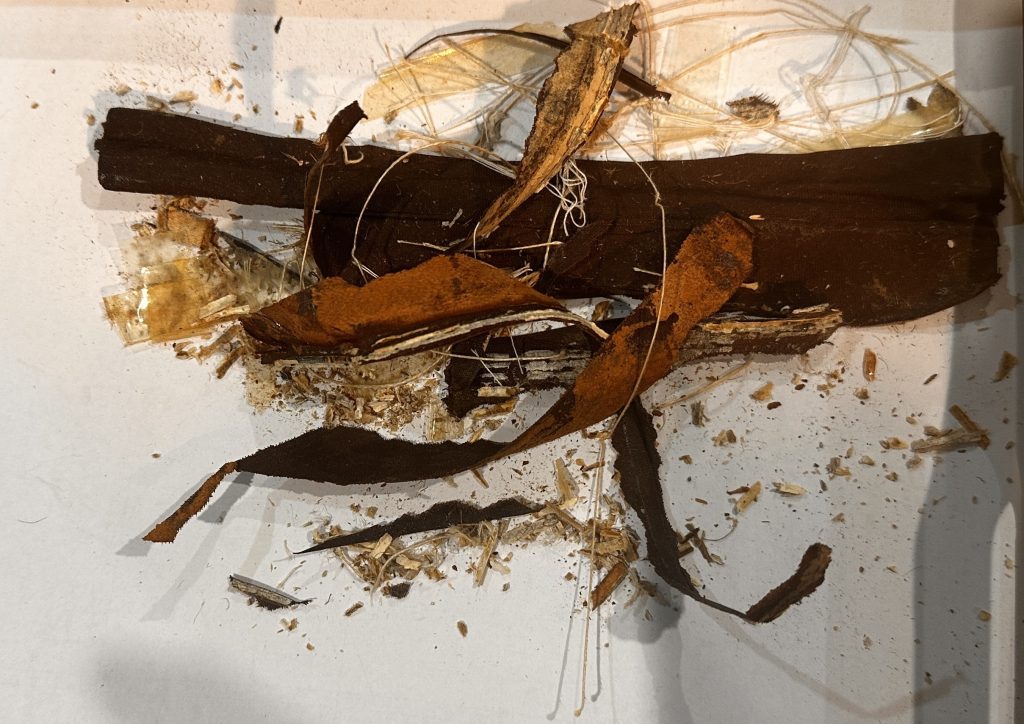
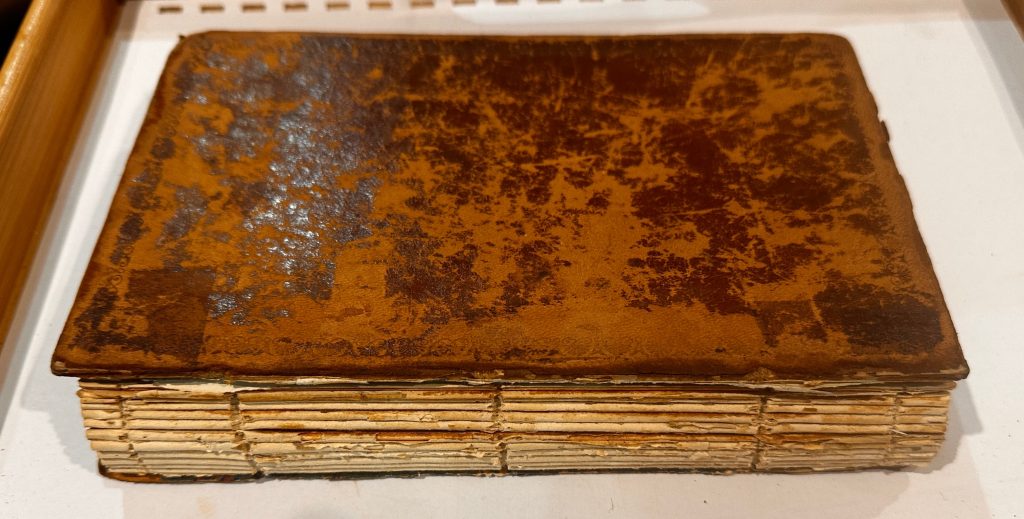
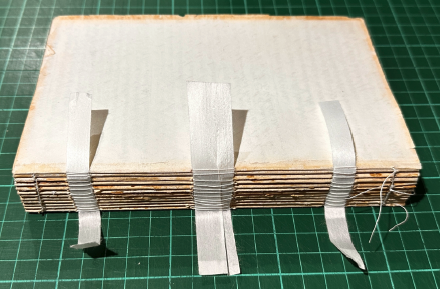
My role was to gently undo those interventions. I removed the tape and replaced it with Japanese tissue—a much more sympathetic material that allows flexibility and longevity. Once the pages were stabilised, I resewed the signatures onto raime tapes, preparing the book for its next phase: reattaching the boards and restoring its structure.
It’s always satisfying to return a book to useable form, especially one that carries such a personal and historical weight. And for me, the sewing is more than a technical step—it’s a way of connecting with the book’s past and ensuring its future.